Save up to 65% on your bills by comparing business electricity rates for November 2024!
Compare business
electricity rates.
Compare Prices
Compare rates, make the switch, and save on business electricity!
At Mo Utilities, our top priority is securing the best electricity tariff for your business. Our expert analysts compare competitive rates from leading energy suppliers to deliver tailored quotes in just minutes.
To get started, simply provide:
- Your business name, door number, contact number and email address.
- First line of your address and postcode
- Your contact number
Ready to ditch expensive rollover contracts?
Start comparing business energy quotes today and see how much you could save!
Enter your details
Enter your business postcode, addresses and contact info to get to get customized quotes from the UK's top providers.
Compare options
Let's secure the best price for you. If we can't beat your renewal quote, we'll pay you £1,000! **T&Cs Applied
We do the rest
Your account manager will handle all the paperwork and answer any questions you have about utilities.
Why choose Mo Utilities for comparing business electricity rates?
At Mo Utilities, we offer more than just a comparison tool – we provide expert support from a team of energy professionals. Our customer support specialists are always just a few clicks away, ready to guide you through every step of the process. We're also experts in commercial electricity contracts, helping you navigate the details and fine print with ease. From exploring deals to comparing offers and finalizing contracts, we're here to assist you every step of the way, ensuring a smooth and confident switch.
- Expert advice tailored to your business's needs
- Competitive quotes from trusted electricity suppliers
- Price comparisons based on your specific electricity requirements
- Live pricing data for the most accurate quotes
- Fully managed services from start to finish
- Best prices guaranteed – we'll pay you £1,000 if we can't beat your renewal quote!
- Top-rated customer support (Excellent on Trustpilot)
- Over 10 years of experience helping 90,000+ businesses save money by switching
Compare UK business electricity rates for July 2026 and start saving today
Business electricity prices change frequently and depend on your location, meter type, annual consumption, usage pattern, contract length and supplier. The table below shows indicative UK market averages for July 2026. Your actual quotation may differ.
| Business size | Annual usage | Daily standing charge (pence) | Unit price (per kWh) | Annual cost |
|---|---|---|---|---|
| Micro business | 5,000–15,000 kWh | 57.1p/day | 29.7p/kWh | £3,178, based on 10,000 kWh |
| Small business | 15,001–25,000 kWh | 70.6p/day | 28.1p/kWh | £5,878, based on 20,000 kWh |
| Medium business | 25,001–55,000 kWh | 218.4p/day | 26.3p/kWh | £11,317, based on 40,000 kWh |
| Large business | More than 55,000 kWh | 226.4p/day | 25.9p/kWh | £15,071, based on 55,000 kWh |
Source: Average rates received by Bionic from its supplier panel between 1 and 8 July 2026. Annual costs are based on the representative consumption shown and include the unit-rate charge and 365 days of standing charges. These figures are indicative market averages, not guaranteed quotations.
A business electricity tariff consists of two key components: the unit rate per kWh and the standing charge.
Understanding Business Electricity Charges
Business electricity bills are generally made up of a unit rate, a daily standing charge, and applicable taxes or additional charges.
Unit Rate
The unit rate is the amount your business pays for each kilowatt-hour (kWh) of electricity used.
Your rate may depend on:
- Annual electricity consumption
- Meter type and business location
- Contract length and payment method
- Wholesale and network costs
A fixed-rate contract fixes the agreed unit rate for a set period, although some taxes and third-party charges may still change.
Standing Charge
The standing charge is a fixed daily fee that applies regardless of how much electricity your business uses.
It contributes towards costs such as:
- Maintaining the electricity network
- Metering and meter communication
- Supplier administration
- Delivering electricity to your premises
Standing charges vary by supplier, location, meter type and contract. Some contracts may offer no standing charge but apply a higher unit rate.
Other Contract Charges
Your electricity bill may include contract-specific charges depending on your supplier and agreement.
Examples include:
- Brokerage or commission fees
- Green energy premiums
- Smart meter installation costs
Always review your contract terms to understand exactly what you are paying for beyond the basic unit rate and standing charge.
Taxes and Regulatory Charges
Your electricity bill will also include standard government taxes and environmental levies. Eligibility depends on electricity use and individual circumstances and should be confirmed with the supplier.
Climate Change Levy (CCL)
0.801p per kWh
Main electricity CCL rate from 1 April 2026. Exemptions or reduced rates may apply to qualifying organisations.
Value Added Tax (VAT)
20% standard rate
A reduced 5% rate may apply to qualifying supplies, including premises using no more than an average of 33 kWh per day or 1,000 kWh per month.
Sources: Ofgem, HMRC VAT guidance and GOV.UK CCL rates — reviewed July 2026.
Important: Rates, taxes and exemptions depend on your electricity use, business activities and contract terms. Please confirm applicable charges and eligibility with your supplier or tax adviser.

Is it worth the hassle to switch electricity providers?
Switching your business electricity provider might seem like a hassle, but it doesn't have to be. By comparing quotes online and getting expert guidance from the start, you could save your business hundreds or even thousands of pounds each year. As your business grows, your electricity tariff should adjust to meet its evolving needs. It's crucial to avoid overpaying or not getting the best value, which is why reviewing your electricity contract regularly is key to ensuring you're always on the right plan.
Significant Savings
Businesses typically consume much more electricity than households, so even minor savings can add up significantly over time. By comparing and switching to more competitive rates, you can avoid unnecessary overpayments and keep costs under control.
New site, new contract
When you move to a new business premises, many suppliers will automatically place you on a deemed rate, which is often much higher. To avoid being stuck with a more expensive tariff, make sure to switch suppliers when relocating to a new office or site.
Avoid out of contract rates
After a certain period, some electricity contracts switch you to a variable rate, which can be more expensive than a fixed-rate plan. Reviewing your contract and switching to a fixed-rate option can help stabilize your electricity costs and protect you from price fluctuations.
Growing business needs
As your business expands, so does its energy usage. With more employees and potentially larger or multiple locations, your energy needs will rise. This makes it even more crucial to find the right energy deal to keep your costs manageable.
Quality Customer Support
Our experienced customer service team will ensure not only on switching time but also after switching. And they will take care during turn time. We significantly make changes providing constant services.
Renew with your existing supplier
If you're happy with your current supplier, renewing your contract might be the most straightforward option. We can negotiate with your current supplier on your behalf to ensure you receive the best possible rates before you commit.
Switch to sustainable energy
Switching suppliers can give you access to green electricity tariffs, helping to reduce your company's carbon footprint. As customers and partners place more emphasis on sustainability, meeting higher environmental standards has become increasingly important.
Key factors to keep in mind when comparing options
Business electricity contracts
Finding a great deal on business electricity can be challenging, but we're here to help. Our energy experts have outlined the essential factors to consider when comparing tariffs, ensuring you choose the best option for your business.
Note: Businesses with a maximum energy demand of 100kW or more during any half-hour period are required by law to have a half-hourly meter. For businesses using between 70kW and 100kW per half hour, installing a half-hourly meter is optional.

What factors are impacting my bills at the moment?
Energy prices are influenced by a mix of global and local factors. Understanding these can help you manage costs and save money over time.
Learn more about what impacts your business energy bills by downloading our Pricing Guidance Report below.
What is your business size? Micro, Small, medium, or large?
We customize electricity tariffs to suit your business needs. Check out our offers for micro, small, medium, and large businesses to find the ideal plan for you.
Micro Business
COMPARE PRICESSmall Business
COMPARE PRICESMedium Business
COMPARE PRICESLarge Business
COMPARE PRICESSwitching to green business electricity tariffs is an effective way for companies to reduce their environmental footprint and enhance sustainability
Explore and compare renewable energy tariffs for your business
If managing your Scope 1, 2, and 3 emissions is a key focus, here are the essential factors to consider when comparing renewable electricity options to ensure you secure the best deal for your business
Success Stories

Happy to take their services. Always professional and pocket friendly.
Astan Hall Gen User

Services are great, profitable and transparent.
Andrew Philips London

The service is outstanding. Massive support team with great behavior.
Mr John Doe Oscorp IT
Decoding business electricity pricing structures

Fixed Rate Tariffs
- Consistent pricing and predictability for extended durations
- Shielding from market volatility
- Perfect for financial planning
Variable Rate Tariffs
- Prices influenced by market conditions (subject to fluctuations based on demand)
- Greater flexibility in contract terms
- Potential short-term savings if market prices decrease


Deemed Rate Tariffs
- The standard rate for businesses without a formal contract
- Usually significantly higher than negotiated agreements
- Provides continuous energy but isn't ideal for the long term
Pass-Through Tariffs
- Break down wholesale rates from additional costs like distribution, transmission, and environmental fees
- Provides clearer insight into your payment structure
- Frequently favored by larger businesses
Green Tariffs
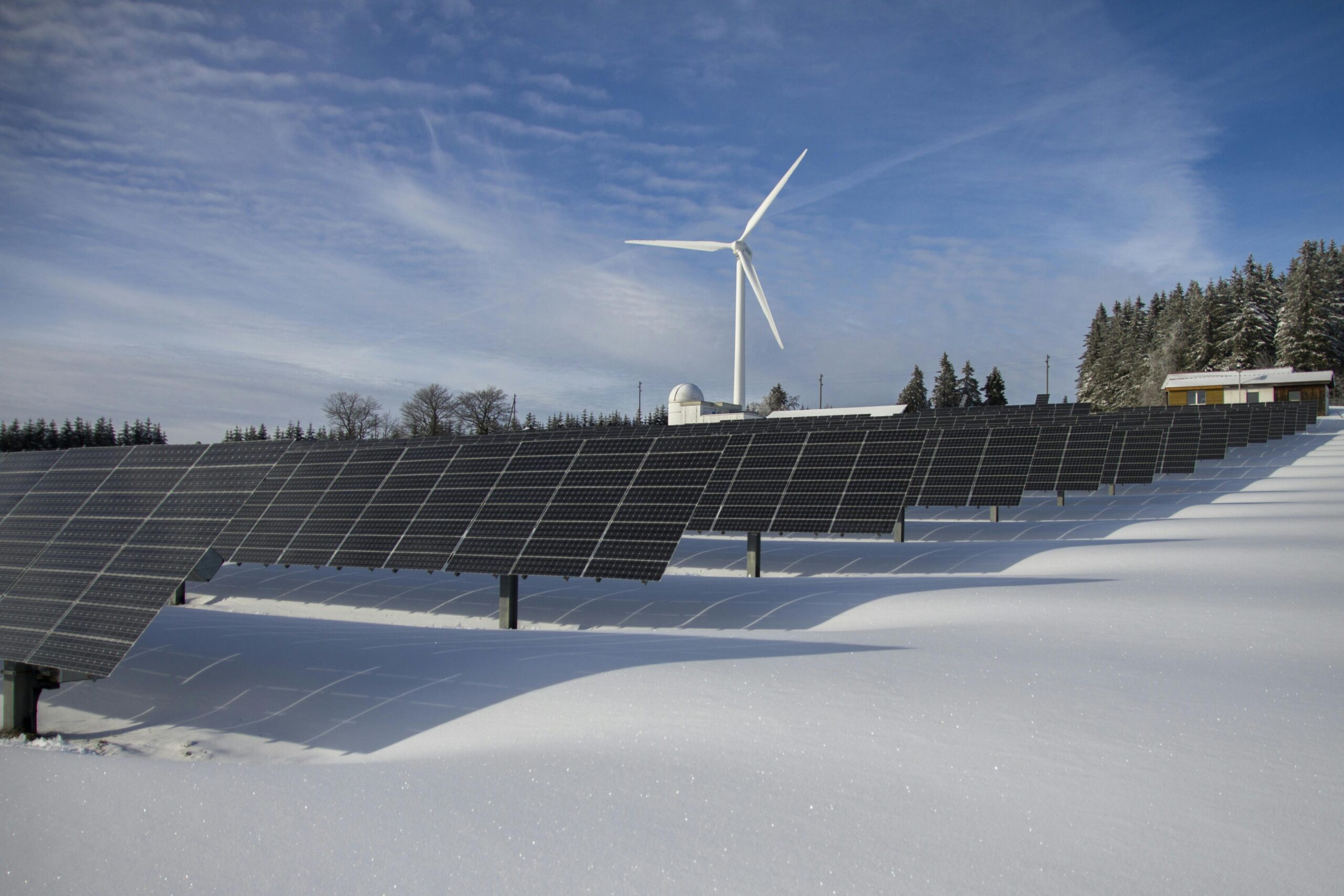
- A portion or all of your electricity will be sourced from renewables
- Supports your business in lowering its carbon footprint
- As technology improves, suppliers are offering more competitive rates
Time of use Tariffs
- Varied rates depending on peak and off-peak hours
- Opportunity for savings by adjusting usage
- Ideal for businesses that can adapt their energy consumption schedules

Discover potential savings on your business electricity costs
Try our free business energy savings calculator to find out how much you could save by switching to a better electricity tariff. Available online anytime, it gives you accurate results in just four simple steps.
Request QuoteFrequently Asked Questions
Our Core Services
Business Utilities
Business Gas
Business Energy
Business Water
Phone And Broadband
Business Merchant
Compare top suppliers and get your business electricity quote today!
Start saving now!
In just a few minutes, you could save hundreds on your business electricity bills.
Compare Prices Now